

Starting a fitness journey can feel overwhelming, especially with the amount of information available about workouts, diets, and training programs. The key to success is not perfection but building sustainable habits that support long-term health and fitness.
Whether your goal is improving strength, increasing energy, losing weight, or simply living a healthier lifestyle, the right approach can make your fitness journey both enjoyable and effective.
Understand Your Motivation
Before starting any fitness program, it helps to understand why you want to become more active. Clear motivation increases commitment and consistency.
Common reasons people start exercising include:
- Improving overall health
- Increasing strength and endurance
- Managing weight
- Reducing stress
- Boosting confidence and mental well-being
When your motivation is clear, it becomes easier to stay committed during challenging moments.
Set Realistic Fitness Goals
Setting achievable goals is an important first step in any fitness journey.
Effective fitness goals should be:
- Specific: Clearly define what you want to achieve
- Measurable: Track progress over time
- Realistic: Avoid overly ambitious targets at the beginning
- Time-based: Set a timeframe for achieving goals
For example, instead of saying “I want to get fit,” a better goal might be exercising for 30 minutes four times per week.
Start with Beginner-Friendly Exercises
Beginners should focus on exercises that build a foundation of strength, mobility, and endurance.
Some simple starting exercises include:
- Walking or light jogging
- Bodyweight squats
- Push-ups or modified push-ups
- Planks
- Lunges
- Stretching exercises
These movements improve overall fitness without requiring advanced skills or equipment.
Create a Balanced Workout Routine
A well-rounded fitness routine should include several types of physical activity.
Cardiovascular Exercise
Cardio workouts improve heart and lung health.
Examples include:
- Walking
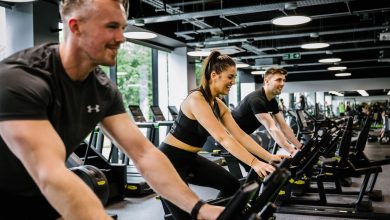
- Cycling
- Swimming
- Jogging
- Jump rope
Aim for at least 150 minutes of moderate cardio per week.
Strength Training
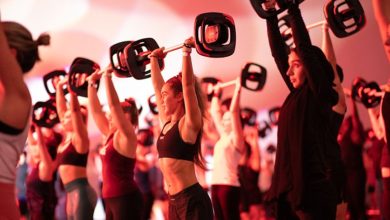
Strength training helps build muscle and support joint health.
Benefits include:
- Increased metabolism
- Improved bone density
- Better posture
- Enhanced functional strength
Begin with two or three strength sessions per week.
Flexibility and Mobility
Flexibility exercises improve joint range of motion and reduce the risk of injury.
Examples include:
- Stretching routines
- Yoga
- Mobility drills
Incorporating flexibility training supports better performance in other workouts.
Focus on Proper Technique
Correct exercise technique is essential for preventing injuries and maximizing results.
Important tips include:
- Start with light intensity
- Learn proper form before increasing difficulty
- Avoid rushing through movements
- Use mirrors or professional guidance if possible
Quality movement is more beneficial than performing exercises quickly or with excessive weight.
Build a Consistent Routine
Consistency is one of the most important factors in long-term fitness success.
Ways to maintain consistency include:
- Scheduling workouts in advance
- Choosing activities you enjoy
- Tracking progress in a fitness journal or app
- Setting small weekly goals
Developing a routine helps turn exercise into a daily habit rather than an occasional activity.
Support Fitness with Healthy Nutrition
Exercise and nutrition work together to improve health and performance.
A balanced diet should include:
- Lean protein sources
- Whole grains
- Fruits and vegetables
- Healthy fats
- Adequate hydration
Proper nutrition provides the energy needed to support workouts and recovery.
Allow Time for Recovery
Rest and recovery are essential parts of any fitness program.
Benefits of recovery include:
- Muscle repair and growth
- Reduced risk of injury
- Improved long-term performance
Important recovery strategies include:
- Getting 7–9 hours of sleep per night
- Taking rest days between intense workouts
- Stretching after exercise
Stay Motivated Along the Way
Maintaining motivation can sometimes be challenging, especially in the early stages.
Helpful motivation strategies include:
- Celebrating small progress milestones
- Working out with a friend or group
- Listening to music or podcasts during workouts
- Trying new activities to keep exercise interesting
Remember that fitness progress takes time and patience.
Frequently Asked Questions (FAQs)
1. How long does it take to see results from starting a fitness routine?
Many people begin noticing improvements in energy and mood within a few weeks, while physical changes may take several months of consistent effort.
2. Is it better to work out at home or at a gym?
Both options can be effective. The best choice depends on personal preferences, available equipment, and comfort level.
3. Should beginners follow strict workout programs?
Beginners often benefit more from flexible routines that focus on basic movements and gradual progression.
4. How important is warming up before exercise?
A proper warm-up increases blood flow to muscles and helps prevent injuries during workouts.
5. Can beginners combine cardio and strength training in one workout?
Yes. Many beginners perform short cardio sessions followed by strength exercises in a single workout.
6. What should I do if I miss a workout?
Missing a workout occasionally is normal. Simply resume your routine the next day without feeling discouraged.
7. Do I need supplements when starting a fitness journey?
Most beginners can meet their nutritional needs through a balanced diet without relying on supplements.
Starting your fitness journey is one of the most valuable investments you can make in your health. By focusing on realistic goals, consistent habits, balanced workouts, and proper recovery, you can build a sustainable fitness lifestyle that supports long-term well-being.