
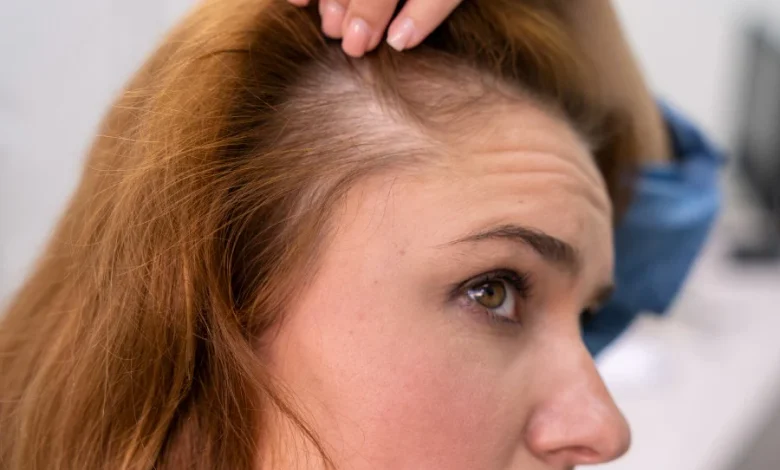
Early hair thinning is easy to ignore because it usually starts with small changes. You might notice more hair in the shower, a wider parting, less thickness around the temples, or more scalp showing in photos. It can feel too minor to do anything about, especially if your hair still looks normal to other people.
For anyone considering hair loss treatment Thailand, it’s better to look into the problem before the thinning becomes obvious. Hair can shed for many reasons, including stress, illness, weight loss, medication, hormones, scalp problems, family history or a mix of these. Some shedding improves once the trigger passes, but some types of hair loss keep progressing slowly unless the cause is understood.
One useful thing to watch is whether the change keeps happening in the same area. A short period of extra shedding after illness or stress may settle with time. A hairline that keeps moving back, a crown that keeps looking thinner, or a parting that keeps getting wider is different. Those signs are worth checking, especially if close relatives have had similar hair loss.
The scalp also matters more than people often think. Itching, flaking, redness, oiliness or irritation can all point to problems that affect the hair. Sometimes people focus only on the strands they’re losing and ignore what’s happening on the skin underneath. If the scalp is inflamed or unhealthy, the hair may not be growing in the best conditions.
It’s also worth looking at the quality of the hair that is growing back. Some hair loss patterns don’t start with dramatic shedding. Instead, the hair gradually grows back finer, weaker and shorter. Over time, that can make the hair look thinner even if you’re not seeing handfuls of hair fall out. This is one reason early assessment can be useful. It can show whether you’re dealing with temporary shedding, scalp irritation, or a pattern of thinning that may continue.
A proper check can involve looking closely at the scalp and hair density, reviewing medical history, and asking about recent health changes, stress, medication and family history. Tools such as trichoscopy can help show details that are hard to see in a normal mirror, including changes in hair thickness and scalp condition. This matters because guessing from photos or buying random shampoos rarely gives a clear answer.
There’s no need to panic over every bad hair day. Hair naturally sheds, and thickness can change after illness, travel, stress or a change in routine. The time to take it more seriously is when the change lasts for months, keeps getting worse, affects the same areas, or comes with scalp symptoms. It’s also worth getting checked earlier if the thinning is starting to affect your confidence, because waiting can make the problem harder to manage.
Getting advice early doesn’t mean you need aggressive treatment. It may mean monitoring the hair, treating the scalp, checking possible triggers or starting a plan before more density is lost. The main point is to stop guessing. Once you know what kind of hair loss you’re dealing with, the next step becomes much clearer.