

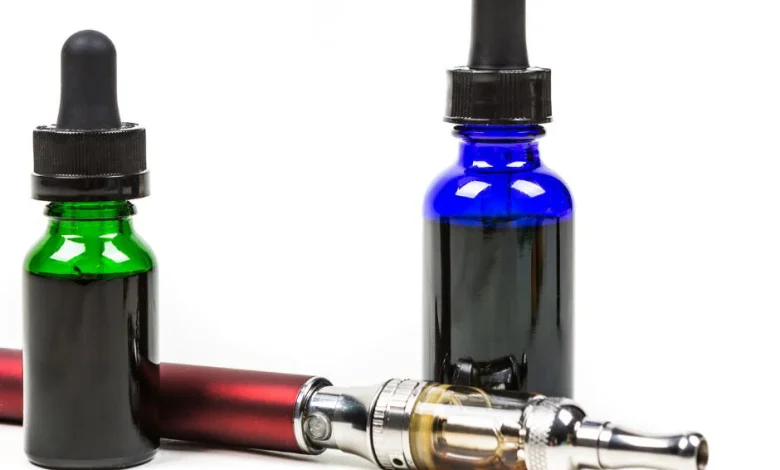
E-cigarette use has drawn growing attention in Thailand, especially among young people. A large part of that concern centres on e-liquid (called น้ำยาบุหรี่ไฟฟ้า in Thai), the fluid heated inside vaping devices and turned into an aerosol for inhalation. Many users may see it as a simple mixture, but its contents can vary widely, and some ingredients carry real health risks.
At first glance, E-liquid often seems straightforward. Most products contain propylene glycol, vegetable glycerine, flavourings, and, in many cases, nicotine. Yet the way these substances behave after heating is a serious issue. What goes into the device is one thing; what reaches the lungs after heating may be quite another.
In Thailand, this topic matters for public health, family awareness, and youth protection. E-liquid products may be sold through informal channels, online spaces, or social networks, which can make proper labelling hard to trust. This raises concerns about unknown ingredients, unsafe mixing practices, and poor quality control.
Propylene glycol and vegetable glycerine are often used as the base of e-cigarette liquids. They help create the visible cloud and carry flavour. Though both are used in food and other consumer products, inhaling heated chemicals is different from eating them. When exposed to high temperatures, these ingredients can break down into harmful compounds, including formaldehyde and acetaldehyde, which may irritate the airways and damage tissues over time.
Nicotine is another major concern. It is highly addictive and can affect brain development in teenagers and young adults. It may also raise heart rate and blood pressure. Some users believe vaping helps them avoid the dangers linked to smoking, but nicotine exposure still poses risks, especially for pregnant women and people with heart conditions. In Thailand, where youth vaping has become a public concern, nicotine addiction may create long-term health and social problems.
Flavourings also deserve close attention. Sweet, fruity, or cooling flavours may make vaping feel less harsh, which can encourage more frequent use. Yet some flavouring chemicals have been linked to lung irritation. Diacetyl, for example, has been associated with serious lung disease in industrial settings. Not every flavoured liquid contains the same substances, but weak oversight can leave users unsure about what they are breathing in.
Another issue is contamination. Illicit or poorly made liquids may contain heavy metals, toxic residues, or far higher nicotine levels than stated on the label. In a market where some products may enter the country through unofficial routes, consumers face added uncertainty. This is especially relevant in Thailand, where enforcement efforts exist, yet online access and informal sales remain a challenge.
Public discussion around vaping should stay grounded in facts. E-cigarette liquids are not harmless water vapour. They are chemical mixtures that may expose users to addiction, lung irritation, and other health harms. For Thai families, schools, and health workers, clear information is vital. Understanding what these liquids contain is a practical step towards protecting health, especially among young people who may be drawn in by flavours, social trends, or false ideas of safety.