
Spa therapy has been used for centuries as a way to relax the body, calm the mind, and promote overall wellness. Today, many people visit spas not only for relaxation but also for the health benefits associated with therapeutic treatments.
Modern spa therapy combines techniques such as massage, hydrotherapy, aromatherapy, and skin treatments to support both physical and mental well-being. When practiced regularly, spa treatments can help reduce stress, improve circulation, and support overall body recovery.
What Is Spa Therapy?
Spa therapy refers to a variety of wellness treatments designed to relax the body and restore balance. These treatments are often performed in specialized wellness centers or spas.
Common spa services include:
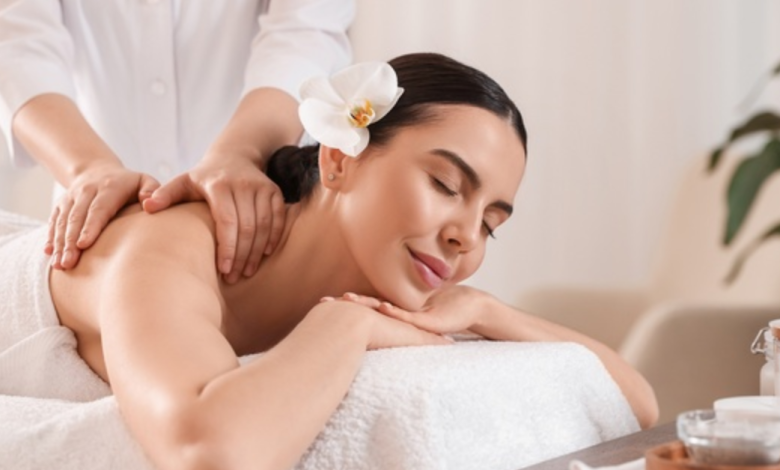
- Massage therapy
- Aromatherapy treatments
- Hydrotherapy or water-based treatments
- Body scrubs and wraps
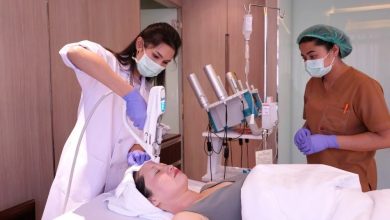
- Facial skincare treatments
Each treatment focuses on promoting relaxation while supporting the body’s natural healing processes.
Reduces Stress and Promotes Relaxation
One of the most recognized benefits of spa therapy is its ability to reduce stress.
Massage therapy and calming environments help lower stress levels by encouraging the body to release relaxation hormones such as endorphins and serotonin.
Stress reduction can lead to:
- Improved mood
- Better sleep quality
- Reduced anxiety
- Greater emotional balance
Regular spa visits provide a peaceful break from the pressures of daily life.
Improves Blood Circulation
Many spa treatments stimulate blood flow throughout the body.
Improved circulation helps:
- Deliver oxygen and nutrients to muscles and tissues
- Remove toxins and metabolic waste
- Support faster recovery from fatigue
Techniques such as massage and hydrotherapy help improve vascular function and overall circulation.
Relieves Muscle Tension and Pain
Massage therapy is widely used to relieve muscle stiffness and discomfort.
Benefits include:
- Relaxed muscle fibers
- Reduced muscle soreness
- Improved flexibility
- Relief from tension caused by prolonged sitting or physical strain
This makes spa therapy particularly helpful for individuals with active lifestyles or physically demanding jobs.
Supports Skin Health
Spa treatments often include skincare therapies that help improve the appearance and health of the skin.
Common skin benefits include:
- Removal of dead skin cells
- Improved skin hydration
- Increased blood circulation to the skin
- Enhanced skin texture and tone
Facials, body scrubs, and moisturizing treatments contribute to healthier and more radiant skin.
Enhances Sleep Quality
Relaxation therapies can significantly improve sleep patterns.
Spa treatments help calm the nervous system and reduce stress hormones, which often interfere with restful sleep.
People who experience insomnia or difficulty relaxing may find that spa therapy supports better sleep quality and deeper rest.
Promotes Mental Clarity and Emotional Well-Being
Spa environments are designed to create a calming atmosphere that supports mental relaxation.
Spending time in a peaceful setting can help:
- Improve mental focus
- Reduce mental fatigue
- Encourage mindfulness
- Enhance overall emotional well-being
This mental refresh can help individuals return to daily activities with greater clarity and reduced stress.
Supports Detoxification
Certain spa therapies, such as steam baths and hydrotherapy, promote sweating and improved circulation.
These treatments may help the body eliminate waste products through:
- Increased perspiration
- Improved lymphatic circulation
- Enhanced metabolic processes
Although the body naturally detoxifies through organs like the liver and kidneys, spa therapies can support healthy circulation and relaxation that assist these processes.
Encourages Self-Care and Wellness
Spa therapy encourages individuals to take time for self-care.
Regular wellness practices help people become more aware of their physical and emotional health. Taking time for relaxation supports long-term well-being and helps maintain balance in busy lifestyles.
Self-care practices such as spa visits can contribute to improved mental resilience and overall quality of life.
Frequently Asked Questions (FAQs)
1. How often should someone visit a spa for wellness benefits?
Many people benefit from spa treatments once a month, though the frequency can vary depending on personal needs and lifestyle.
2. Are spa treatments safe for everyone?
Most spa therapies are safe, but individuals with certain medical conditions should consult a healthcare professional before receiving treatments.
3. Can spa therapy help reduce chronic stress?
Yes. Relaxation therapies such as massage and aromatherapy can help lower stress levels and promote emotional balance.
4. What is the most common spa treatment?
Massage therapy is one of the most popular spa treatments because it helps relieve muscle tension and improve relaxation.
5. Do spa treatments improve skin health?
Many spa treatments support skin hydration, exfoliation, and improved circulation, which can enhance overall skin appearance.
6. Can spa therapy help with muscle recovery after exercise?
Yes. Massage therapy can help reduce muscle soreness and improve recovery after physical activity.
7. Are home spa treatments effective?
While professional spa services provide specialized techniques, simple home practices such as warm baths, relaxation exercises, and skincare routines can also offer wellness benefits.
Spa therapy offers a holistic approach to wellness by supporting both physical relaxation and mental balance. Incorporating occasional spa treatments into a self-care routine can contribute to improved health, reduced stress, and greater overall well-being.