

Starting a gym routine for the first time can feel intimidating. Many beginners are unsure which exercises to perform, how often to train, or how to structure their workouts. The key is to begin with a simple and balanced workout plan that focuses on building strength, improving endurance, and learning proper exercise techniques.
A well-designed beginner workout routine helps develop a strong foundation for long-term fitness while reducing the risk of injury. With consistency and gradual progression, gym training can significantly improve overall health and physical performance.
Why Beginners Should Follow a Workout Plan
A structured workout plan provides direction and helps beginners stay consistent.
Benefits include:
- Balanced training across different muscle groups
- Improved strength and endurance
- Reduced risk of overtraining or injury
- Better tracking of progress
Following a clear plan also helps new gym members avoid confusion when using equipment or choosing exercises.
Key Components of a Beginner Gym Workout
An effective beginner workout should include several types of exercises.
Strength Training
Strength training builds muscle and improves functional fitness.
Common beginner exercises include:
- Dumbbell bench press
- Leg press
- Lat pulldown
- Shoulder press
- Bodyweight squats
Strength exercises should focus on proper form rather than heavy weights.
Cardiovascular Exercise
Cardio workouts improve heart health and stamina.
Popular gym cardio options include:
- Treadmill walking or jogging
- Stationary cycling
- Elliptical training
- Rowing machine
Cardio also supports calorie burning and overall endurance.
Mobility and Stretching
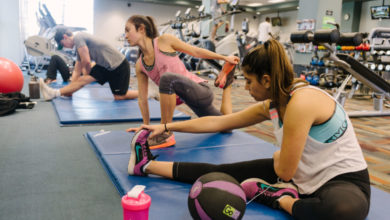
Stretching and mobility exercises help maintain flexibility and reduce muscle stiffness.
Examples include:
- Hamstring stretches
- Shoulder mobility drills
- Hip flexor stretches
Incorporating stretching improves overall workout performance and recovery.
Beginner 3-Day Gym Workout Plan
This simple weekly plan helps beginners build strength while allowing adequate recovery time.
Day 1: Upper Body
Focus on chest, shoulders, and arms.
Workout routine:
- Dumbbell bench press – 3 sets of 10–12 reps
- Lat pulldown – 3 sets of 10 reps
- Shoulder press – 3 sets of 10 reps
- Dumbbell bicep curls – 3 sets of 12 reps
- Triceps pushdowns – 3 sets of 12 reps
Finish with 10–15 minutes of light cardio.
Day 2: Lower Body
This workout strengthens the legs and glutes.
Workout routine:
- Leg press – 3 sets of 10–12 reps
- Bodyweight squats – 3 sets of 12 reps
- Dumbbell lunges – 3 sets of 10 reps per leg
- Leg curls – 3 sets of 12 reps
- Standing calf raises – 3 sets of 15 reps
End the session with stretching for the lower body.
Day 3: Full Body and Cardio
This session improves overall fitness and endurance.
Workout routine:
- Dumbbell rows – 3 sets of 10 reps
- Push-ups – 3 sets of 8–12 reps
- Plank – 3 sets of 30 seconds
- Kettlebell swings or light dumbbell swings – 3 sets of 12 reps
Complete 15–20 minutes of cardio on a treadmill, bike, or rowing machine.
Tips for Beginners at the Gym
Starting a gym routine becomes easier when following a few simple guidelines.
Helpful tips include:
- Begin with lighter weights to learn proper technique
- Warm up for 5–10 minutes before each workout
- Rest 60–90 seconds between sets
- Stay hydrated during exercise
- Increase intensity gradually as strength improves
Consistency is more important than intensity during the early stages of training.
Common Mistakes Beginners Should Avoid
New gym members often make mistakes that slow progress or increase injury risk.
Avoid these common issues:
- Lifting weights that are too heavy
- Skipping warm-ups or stretching
- Performing exercises with poor form
- Training the same muscles every day
- Expecting quick results
Building strength and endurance takes time, patience, and regular effort.
How to Track Your Progress
Monitoring progress helps maintain motivation and ensures your workouts remain effective.
Ways to track progress include:
- Recording weights and repetitions for each exercise
- Measuring improvements in endurance
- Tracking body measurements or strength gains
- Noting how energy and fitness levels improve
Seeing steady progress helps reinforce positive fitness habits.
Frequently Asked Questions (FAQs)
1. How many days per week should beginners go to the gym?
Most beginners benefit from 3–4 workout sessions per week, allowing adequate recovery between training days.
2. How long should a beginner gym workout last?
A typical beginner workout lasts 45–60 minutes, including warm-up and stretching.
3. Should beginners focus more on cardio or strength training?
A balanced routine that includes both cardio and strength exercises provides the best overall fitness benefits.
4. Is it normal to feel sore after starting gym workouts?
Yes, mild muscle soreness is common when beginning strength training, especially during the first few weeks.
5. When should beginners increase workout intensity?
Once exercises feel easier and proper form is maintained, weights or repetitions can gradually increase.
6. Do beginners need a personal trainer?
While not required, a trainer can help beginners learn proper techniques and design a personalized workout plan.
7. What should beginners eat before a gym workout?
A light meal or snack containing complex carbohydrates and protein, such as oatmeal with yogurt or a banana with peanut butter, can provide energy for workouts.
Starting a gym workout plan is a powerful step toward improving overall health and physical fitness. With a simple routine, proper technique, and consistent effort, beginners can gradually build strength, endurance, and confidence in their fitness journey.