

Accurate diagnosis is the foundation of effective medical treatment. Before recommending medications, therapies, or procedures, doctors must first determine the underlying cause of a patient’s symptoms.
Modern diagnosis combines medical history, physical examinations, laboratory tests, and imaging technologies to identify health conditions with greater accuracy than ever before. Understanding how this process works can help patients communicate better with healthcare providers and participate actively in their care.
The Importance of Medical Diagnosis
A medical diagnosis identifies the nature and cause of a disease or health condition. Correct diagnosis helps doctors:
- Determine the most effective treatment plan
- Prevent complications
- Monitor disease progression
- Provide preventive guidance
Without a proper diagnosis, treatments may only address symptoms rather than the actual cause.
Step 1: Reviewing Medical History
The diagnostic process usually begins with a detailed medical history discussion.
Doctors ask questions about:
- Current symptoms and their duration
- Previous illnesses or medical conditions
- Family health history
- Lifestyle habits such as diet, exercise, and smoking
- Medications and supplements being taken
This information provides valuable clues that help doctors narrow down possible causes of the symptoms.
Step 2: Conducting a Physical Examination
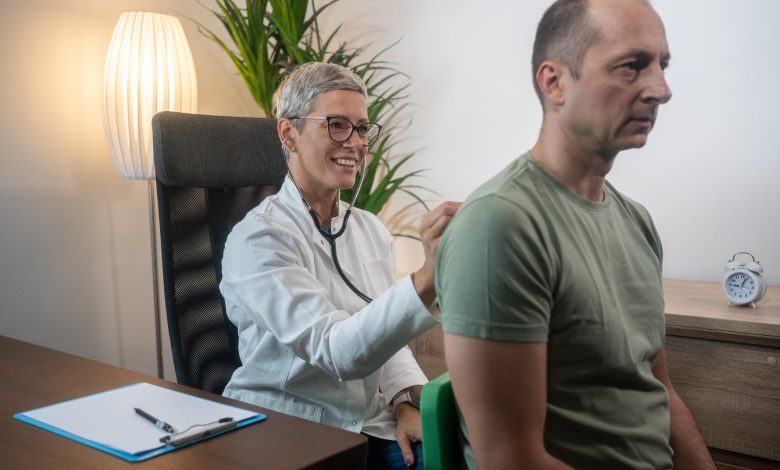
After reviewing the patient’s history, doctors perform a physical examination to check for visible or measurable signs of illness.
Common examination methods include:
- Measuring blood pressure, pulse, and temperature
- Listening to the heart and lungs with a stethoscope
- Checking the abdomen for swelling or tenderness
- Examining the skin, eyes, and throat
- Assessing reflexes and muscle strength
Physical examinations can reveal early signs of many conditions, including infections, cardiovascular issues, and neurological disorders.
Step 3: Ordering Laboratory Tests
If further investigation is needed, doctors often request laboratory tests.
Blood Tests
Blood tests can reveal a wide range of health indicators such as:
- Blood sugar levels
- Cholesterol levels
- Hormone balance
- Infections or inflammation
- Vitamin deficiencies
These tests are commonly used to diagnose conditions like diabetes, anemia, thyroid disorders, and infections.
Urine Tests
Urinalysis helps detect issues related to:
- Kidney function
- Urinary tract infections
- Metabolic conditions
- Dehydration
Urine tests are quick, non-invasive, and frequently used in routine health evaluations.
Other Specialized Tests
Depending on symptoms, doctors may recommend additional laboratory tests such as:
- Stool tests for digestive disorders
- Genetic testing for inherited conditions
- Allergy tests
These tests provide deeper insight into the body’s internal processes.
Step 4: Medical Imaging Techniques
Imaging technologies allow doctors to see inside the body without surgery.
Common imaging tools include:
X-Rays
X-rays are commonly used to detect:
- Bone fractures
- Lung infections
- Certain tumors
They provide quick images of bones and some internal structures.
Ultrasound
Ultrasound uses sound waves to create images of internal organs.
Doctors often use ultrasound to examine:
- The heart
- Abdominal organs
- Pregnancy development
It is safe and does not involve radiation.
CT Scans and MRI
More advanced imaging methods include:
- CT scans, which produce detailed cross-sectional images
- MRI scans, which use magnetic fields to visualize soft tissues
These scans help diagnose complex conditions involving the brain, spine, organs, and blood vessels.
Step 5: Differential Diagnosis
Sometimes multiple conditions can produce similar symptoms. In these cases, doctors use a process called differential diagnosis.
This involves:
- Listing possible conditions that match the symptoms
- Eliminating unlikely causes through tests and examinations
- Narrowing down the most probable diagnosis
Differential diagnosis ensures that doctors consider all possibilities before confirming a condition.
Step 6: Monitoring and Follow-Up
Diagnosis is not always immediate. Some conditions require ongoing monitoring and follow-up tests.
Doctors may:
- Track symptom changes over time
- Repeat laboratory tests
- Adjust treatment plans
- Refer patients to specialists
Follow-up care ensures that the diagnosis remains accurate as new information becomes available.
The Role of Specialists
When a condition requires specialized knowledge, patients may be referred to experts such as:
- Cardiologists for heart conditions
- Neurologists for brain and nervous system disorders
- Dermatologists for skin diseases
- Endocrinologists for hormonal disorders
Specialists often use advanced diagnostic tools specific to their field.
Frequently Asked Questions (FAQs)
1. How long does it usually take to receive a medical diagnosis?
The time varies depending on the condition. Some diagnoses can be made during a single visit, while others require multiple tests and follow-up appointments.
2. Why do doctors sometimes order many tests?
Multiple tests help confirm findings, rule out other conditions, and ensure an accurate diagnosis before starting treatment.
3. Can symptoms alone determine a diagnosis?
Symptoms provide important clues, but doctors usually rely on tests and examinations to confirm the underlying cause.
4. What should patients bring to a diagnostic appointment?
Patients should bring medical records, a list of medications, previous test results, and notes about symptoms or health concerns.
5. Is it normal to seek a second medical opinion?
Yes. Seeking a second opinion can provide reassurance and additional insights, especially for complex diagnoses or major treatment decisions.
6. Are routine health checkups important for diagnosis?
Regular checkups can detect early signs of diseases before symptoms appear, improving treatment outcomes.
7. What happens if test results are unclear?
Doctors may repeat tests, monitor symptoms, or refer patients to specialists to gather more information before confirming a diagnosis.
Understanding how doctors diagnose health conditions helps patients feel more confident and informed during medical visits. With modern diagnostic tools and careful evaluation, healthcare professionals can identify many conditions early and provide effective treatment.