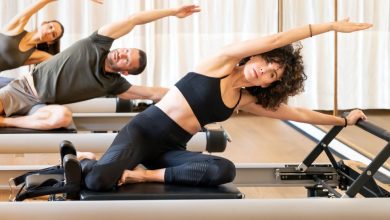


Starting the day with exercise is one of the most effective ways to boost energy, improve mood, and support long-term health. A simple morning workout routine can enhance blood circulation, increase alertness, and help build consistent fitness habits.
For beginners, the goal is not intense training but creating a sustainable routine that gradually improves strength, flexibility, and endurance. Even a short session of 15–20 minutes each morning can deliver meaningful health benefits.
Why Morning Exercise Is Beneficial
Morning workouts offer several advantages for physical and mental well-being.
Key benefits include:
- Increased energy levels throughout the day
- Improved metabolism and calorie burning
- Better focus and mental clarity
- Reduced stress and anxiety
- Stronger workout consistency
Exercising early can also reduce the chances of skipping workouts due to busy schedules later in the day.
Preparing for a Morning Workout
Before beginning your routine, it helps to prepare your body properly.
Helpful preparation tips:
- Drink a glass of water after waking up
- Perform gentle stretching to loosen muscles
- Wear comfortable workout clothing
- Choose a quiet and safe exercise space
Taking a few minutes to warm up can reduce the risk of injury and improve exercise performance.
Warm-Up Exercises (5 Minutes)
Warming up prepares the muscles and joints for movement.
1. Neck Rolls
Slow neck rolls help relieve tension and increase mobility.
- Rotate your head gently in a circular motion
- Perform 5 rotations in each direction
2. Arm Circles
Arm circles warm up the shoulders and improve flexibility.
- Extend arms to the sides
- Make small circular motions
- Gradually increase the circle size
3. Gentle Torso Twists
Torso twists activate the core and loosen the spine.
- Stand with feet shoulder-width apart
- Rotate your upper body side to side slowly
These movements increase blood flow and prepare your body for the main workout.
Beginner Morning Exercise Routine (10–15 Minutes)
The following exercises are simple, effective, and require no equipment.
1. Jumping Jacks
Jumping jacks raise the heart rate and activate the whole body.
Benefits:
- Improves cardiovascular endurance
- Enhances coordination
- Boosts circulation
Perform for 30–40 seconds.
2. Bodyweight Squats
Squats strengthen the lower body and improve mobility.
Muscles worked:
- Quadriceps
- Glutes
- Hamstrings
Perform 12–15 repetitions.
3. Push-Ups
Push-ups strengthen the upper body and core.
Beginners can try knee push-ups if full push-ups are difficult.
Aim for 8–12 repetitions.
4. Plank
The plank improves core stability and posture.
Key benefits:
- Strengthens abdominal muscles
- Supports back health
- Improves balance
Hold the plank for 20–30 seconds.
5. Alternating Lunges
Lunges build leg strength and improve balance.
- Step forward with one leg
- Lower your body until both knees bend
- Return to standing and switch legs
Perform 10 repetitions per leg.
6. Mountain Climbers
Mountain climbers combine strength and cardio.
Benefits include:
- Core engagement
- Increased heart rate
- Full-body activation
Perform for 30 seconds.
Cool-Down and Stretching (5 Minutes)
Cooling down helps relax muscles and prevent stiffness.
Hamstring Stretch
- Sit or stand with legs extended
- Reach toward your toes gently
Shoulder Stretch
- Pull one arm across your chest
- Hold for 15–20 seconds
Deep Breathing
Deep breathing exercises help bring the heart rate back to normal and promote relaxation.
Cooling down is an important step that supports muscle recovery and flexibility.
Tips for Staying Consistent
Creating a regular habit is essential for beginners.
Practical tips include:
- Start with short workouts and gradually increase duration
- Set a consistent workout time each morning
- Track progress to stay motivated
- Focus on proper form instead of speed
- Listen to your body and rest when needed
Consistency is more important than intensity when building a long-term fitness routine.
Frequently Asked Questions (FAQs)
1. How long should a beginner’s morning workout last?
A beginner routine can last 15–20 minutes, including warm-up and stretching.
2. Is it okay to exercise immediately after waking up?
Yes, but it’s best to hydrate and perform a short warm-up before starting more active exercises.
3. Do morning workouts help with weight loss?
Morning exercise can support weight management by increasing daily activity levels and improving metabolism.
4. Should beginners eat before a morning workout?
Some people prefer a light snack such as fruit or yogurt, while others feel comfortable exercising on an empty stomach.
5. How many days per week should beginners exercise?
Most beginners benefit from 3–5 days of exercise per week, gradually increasing frequency as fitness improves.
6. What if I feel sore after starting a workout routine?
Mild soreness is common when beginning exercise. Gentle stretching, hydration, and rest can help reduce discomfort.
7. Can morning exercise improve productivity?
Yes. Physical activity stimulates blood flow to the brain, which can improve focus, mood, and productivity throughout the day.
A simple morning exercise routine can set a positive tone for the entire day. By starting with beginner-friendly movements and staying consistent, anyone can build a healthy habit that supports both physical fitness and mental well-being.