
Healthy eating does not require strict dieting, expensive ingredients, or complicated meal plans. At its core, healthy eating means choosing nutrient-dense foods that support your body’s needs while maintaining balance and moderation.
For beginners, the goal is not perfection but building consistent habits that improve energy, digestion, and long-term health. Understanding a few key principles can make healthy eating simple and sustainable.
What Does Healthy Eating Really Mean?
Healthy eating focuses on consuming foods that provide essential nutrients such as vitamins, minerals, protein, healthy fats, fiber, and carbohydrates.
A balanced approach usually includes:
- Whole foods instead of highly processed items
- A variety of fruits and vegetables
- Adequate protein sources
- Healthy fats in moderate amounts
- Whole grains rather than refined grains
Rather than eliminating foods completely, healthy eating emphasizes balance and mindful choices.
Understand the Major Food Groups
Learning about food groups helps beginners create balanced meals.
Fruits and Vegetables
These foods are packed with fiber, antioxidants, vitamins, and minerals that support immune health and digestion.
Good choices include:
- Leafy greens
- Berries
- Carrots
- Broccoli
- Apples
- Citrus fruits
Nutrition experts often recommend filling half of your plate with fruits and vegetables.
Whole Grains
Whole grains contain the entire grain kernel, making them richer in fiber and nutrients compared to refined grains.
Examples include:
- Brown rice
- Oats
- Whole-wheat bread
- Quinoa
- Barley
These foods provide long-lasting energy and improved digestion.
Protein Foods
Protein is essential for muscle repair, immune function, and overall body maintenance.
Healthy protein sources include:
- Eggs
- Fish and poultry
- Beans and lentils
- Greek yogurt
- Tofu and tempeh
- Nuts and seeds
Including protein in each meal helps control hunger and stabilize energy levels.
Healthy Fats
Certain fats support brain health, hormone balance, and heart function.
Healthy fat options include:
- Avocados
- Olive oil
- Nuts
- Seeds
- Fatty fish like salmon
These fats should be consumed in moderation as part of balanced meals.
Build a Balanced Plate
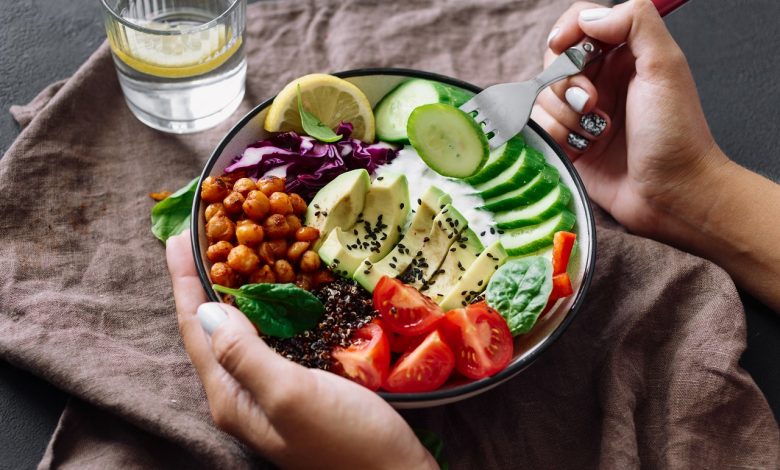
One of the simplest ways to start healthy eating is by visualizing a balanced plate.
A typical healthy meal might include:
- 50% vegetables and fruits
- 25% protein foods
- 25% whole grains
- A small portion of healthy fats
This approach naturally improves nutrient intake while controlling portions.
Start with Simple Healthy Habits
Adopting small habits can make a significant difference in the long run.
Drink More Water
Water supports digestion, circulation, and body temperature regulation.
Helpful tips:
- Start the day with a glass of water
- Carry a reusable water bottle
- Replace sugary drinks with water or herbal tea
Eat Mindfully
Mindful eating helps you recognize hunger and fullness signals.
Try to:
- Eat slowly
- Avoid distractions while eating
- Pay attention to taste and texture
Mindful eating often leads to better portion control and improved digestion.
Plan Your Meals
Meal planning reduces the temptation of unhealthy convenience foods.
Benefits include:
- Better nutrition balance
- Reduced food waste
- Consistent healthy habits
Even planning two or three meals ahead can make a big difference.
Limit Ultra-Processed Foods
Ultra-processed foods often contain excessive sugar, salt, and unhealthy fats.
Common examples include:
- Packaged snacks
- Sugary cereals
- Instant meals
- Processed meats
Choosing fresh or minimally processed foods improves overall diet quality.
Healthy Snacks for Beginners
Snacking can be part of a healthy diet when done thoughtfully.
Nutritious snack options include:
- Greek yogurt with fruit
- Apple slices with peanut butter
- Nuts and seeds
- Whole-grain crackers with hummus
- Fresh fruit smoothies
These snacks provide energy without excessive added sugar or refined ingredients.
Common Mistakes Beginners Should Avoid
Starting a healthy eating journey can sometimes lead to unrealistic expectations.
Avoid these common mistakes:
- Skipping meals to reduce calories
- Following extremely restrictive diets
- Eliminating entire food groups without reason
- Expecting immediate results
- Relying heavily on processed “diet foods”
Sustainable health improvements come from gradual, consistent lifestyle changes.
Frequently Asked Questions (FAQs)
1. How can beginners start eating healthier without feeling overwhelmed?
Begin with small changes such as adding more vegetables to meals, drinking more water, and reducing processed foods rather than changing everything at once.
2. Is healthy eating expensive?
Healthy eating can be affordable by choosing seasonal produce, buying whole grains in bulk, and cooking meals at home instead of relying on restaurant food.
3. Can I still enjoy my favorite foods while eating healthy?
Yes. Healthy eating allows occasional treats. The key is moderation and maintaining a balanced overall diet.
4. How important is breakfast in a healthy diet?
Breakfast can provide energy for the day and help stabilize blood sugar levels, though the most important factor is maintaining balanced nutrition throughout the day.
5. Are smoothies considered healthy?
Smoothies can be healthy if they include whole ingredients such as fruits, vegetables, yogurt, and nuts while avoiding excessive added sugars.
6. How can I reduce cravings for unhealthy foods?
Eating balanced meals with adequate protein and fiber, staying hydrated, and maintaining regular meal times can help reduce cravings.
7. What is the easiest healthy meal for beginners?
Simple meals like grilled chicken with vegetables and brown rice, oatmeal with fruit, or a vegetable omelet with whole-grain toast are easy, nutritious options.
Healthy eating is a long-term lifestyle choice rather than a temporary diet. By focusing on whole foods, balanced meals, and sustainable habits, beginners can build a strong foundation for better health and overall well-being.