

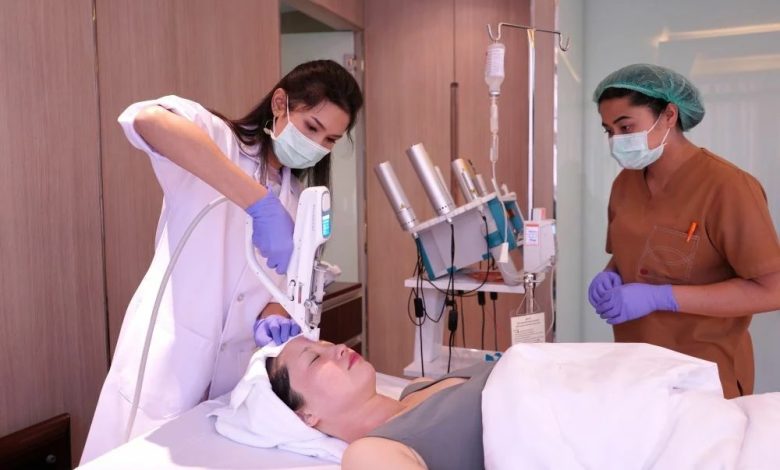
Regenerative medicine has gained attention in recent years as patients look for approaches that focus on repair rather than symptom management alone. Among these options, body stem cell injections Bangkok are often discussed in the context of supporting tissue recovery and long-term cellular function. While public interest continues to grow, it is important to understand what this type of therapy is actually designed to address and how it fits within a broader medical framework.
Stem cells are unique because of their ability to develop into different cell types and assist in repair processes. In clinical settings, physicians use carefully prepared stem cells with the intention of supporting the body’s natural regenerative mechanisms. The goal is not instant transformation, but gradual support for tissues that may have been affected by aging, strain, or chronic conditions.
Body-focused stem cell therapy is typically considered in cases involving joint discomfort, soft tissue strain, or systemic inflammatory concerns. Rather than masking symptoms, the treatment is structured around encouraging biological repair. That distinction is important. Regenerative approaches are meant to work with existing physiology, not override it.
Supporting Musculoskeletal Health
One of the most common areas of application involves musculoskeletal conditions. Joints, tendons, and ligaments experience continuous stress over time, especially in active individuals or aging patients. When conventional therapies provide limited improvement, stem cell therapy may be explored as part of a broader treatment plan.
In these cases, stem cells are introduced into targeted areas under medical guidance. The intention is to assist the body’s own healing response within that region. Patients are typically advised that improvement develops gradually as cellular processes unfold. Immediate structural change is not the objective. Instead, therapy is designed to promote internal repair pathways that operate over weeks and months.
Clinical oversight remains essential. Imaging and physical evaluation are used to determine whether a joint or tissue condition is suitable for this type of regenerative support.
Systemic and Whole-Body Applications
Some programs extend beyond isolated joint support and focus on broader physiological function. In these cases, stem cells may be administered with the aim of supporting immune modulation or overall cellular resilience. This approach is often discussed in the context of aging-related decline, where tissue repair capacity naturally decreases over time.
Systemic therapy requires careful screening and structured protocols. Physicians evaluate medical history, current health status, and potential contraindications before recommending treatment. The objective is not general enhancement, but structured support aligned with specific health goals.
Because the therapy interacts with biological systems, individualized planning is essential. Dosing, delivery method, and monitoring schedules vary depending on the patient’s condition and treatment objectives.
The Importance of Medical Assessment
Not every patient is an appropriate candidate for regenerative procedures. A responsible clinical process includes diagnostic evaluation, laboratory review, and realistic discussion of expected outcomes. Physicians must determine whether the condition in question is likely to respond to regenerative support or whether alternative treatments are more appropriate.
Patients should also understand that stem cell therapy is not a substitute for foundational health practices. Nutrition, movement, and medical management of underlying conditions remain important. Regenerative procedures are designed to complement, not replace, comprehensive care.
When delivered under proper medical supervision, body stem cell therapy is intended to support tissue repair and physiological resilience in carefully selected cases. Clear assessment, structured protocols, and realistic expectations remain central to responsible treatment planning.